
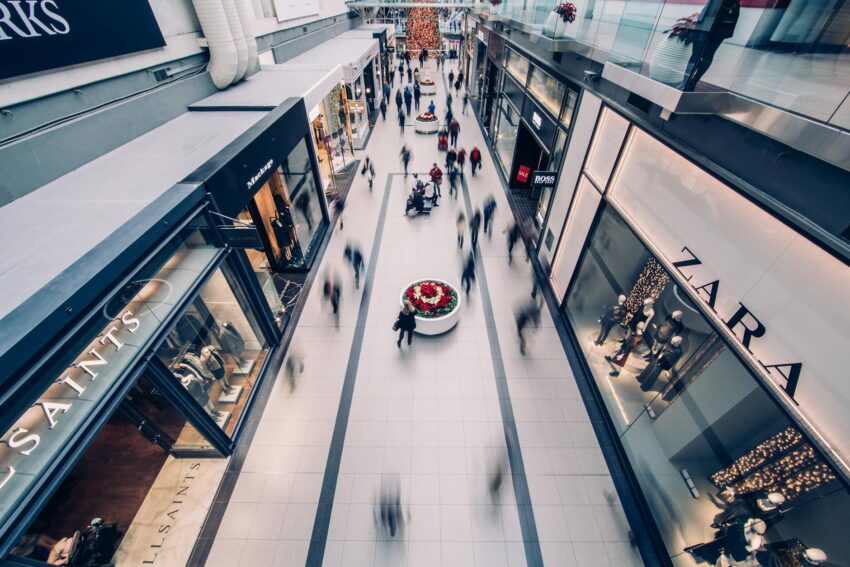
In the fast-paced world of fashion, standing out can sometimes feel like an uphill battle. However, Zara, the Spanish fast-fashion giant, has recently demonstrated an artful blend of strategic positioning and brand repositioning that has allowed it to not only survive but thrive amid fierce competition from rivals like H&M and Shein. This article explores how Zara has maintained its foothold in the market by adopting a luxurious flair while bringing in innovative marketing tactics.
A Glamorous Shift
As the fashion landscape becomes increasingly saturated, brands must differentiate themselves to capture and hold consumer attention. Zara, approaching its 50th anniversary, decided to pivot towards a more high-end consumer image. The company enlisted renowned photographer Steven Meisel to shoot its anniversary campaign, a move typically associated with luxury brands like Chanel. With Meisel's striking visuals featuring top models from the past three decades and nostalgic sounds from Donna Summer's classic hit, "I Feel Love," Zara cleverly positioned itself alongside luxury fashion houses, giving its products an illusion of prestige.
The campaign represents more than just a marketing gimmick; it reflects Zara's commitment to quality and sophistication despite its base in fast fashion. By strategically aligning itself with luxury aspects—through collaborations with high-caliber talent and artists—Zara has successfully blurred the lines between fast fashion and high-end couture.
Competitive Pricing without Compromising Quality
Unlike Shein, which leans heavily on ultra-low pricing and mass-producing trendy fast-fashion items while often facing criticisms regarding sustainability and labor practices, Zara has maintained a more balanced approach. The brand focuses on producing high-quality garments at competitive prices, allowing it to remain an appealing choice for fashion-conscious consumers who also care about quality.
Zara’s ability to quickly translate trending styles from the runway into affordable collections is a cornerstone of its strategy. While Shein relies on overwhelming volume and bargain prices, Zara has solidified its market position by prioritizing the craftsmanship within its clothing lines.
Innovative Supply Chain Management
Zara’s robust supply chain management also plays a pivotal role in its success. The company has mastered the art of "just-in-time" manufacturing, a system that allows it to respond swiftly and efficiently to changing fashion trends and consumer demands. This operational agility vastly contrasts with typical retail operations that can take months to replenish inventory or introduce new designs.
By producing garments in smaller batches and regularly refreshing its stock, Zara ensures that its stores are stocked with fresh items, drawing in consumers craving new styles. Such an approach also helps to sustain exclusivity—the perception that "if you see something you like, you need to buy it now," creating urgency and driving impulse purchases.
Engaging the Digital Marketplace
Zara has also harnessed the power of digital marketing, engaging consistently with consumers on platforms like Instagram and TikTok. The brand's smart use of social media has facilitated direct connections with a younger audience eager for immediate content and visual inspiration. This strategy complements its high-impact campaigns and reinforces Zara's 'fashion-forward' identity in the eyes of consumers already inundated with options from fast fashion competitors.
Furthermore, by leveraging data analytics to understand customer preferences, Zara can better tailor its collections and promotions, ensuring they resonate deeply with its target demographic.
Loyalty through Luxury Experiences
Finally, Zara has elevated the in-store experience to correspond with its luxe redesign. A focus on customer service and store ambiance ensures that shopping at Zara is not merely transactional; it is an experience. By actively updating store layouts to reflect the latest trends, providing personalized services, and hosting exclusive events, Zara continues to cultivate brand loyalty, encouraging repeat customers.
Conclusion
Through a blend of luxury imagery, competitive pricing, agile production, and captivating marketing strategies, Zara has effectively positioned itself as a formidable player in the fashion industry—defying the odds against fierce competitors like H&M and Shein. Its emphasis on quality, experience, and exclusivity proves that even in fast fashion, there is always room for innovation and success.
For those interested in exploring the evolving dynamics of fashion retail, keep an eye on how Zara continues to shape its brand legacy and market relevance in the years to come.