
An In-Depth Analysis of Market Reactions Amidst Economic Pressures
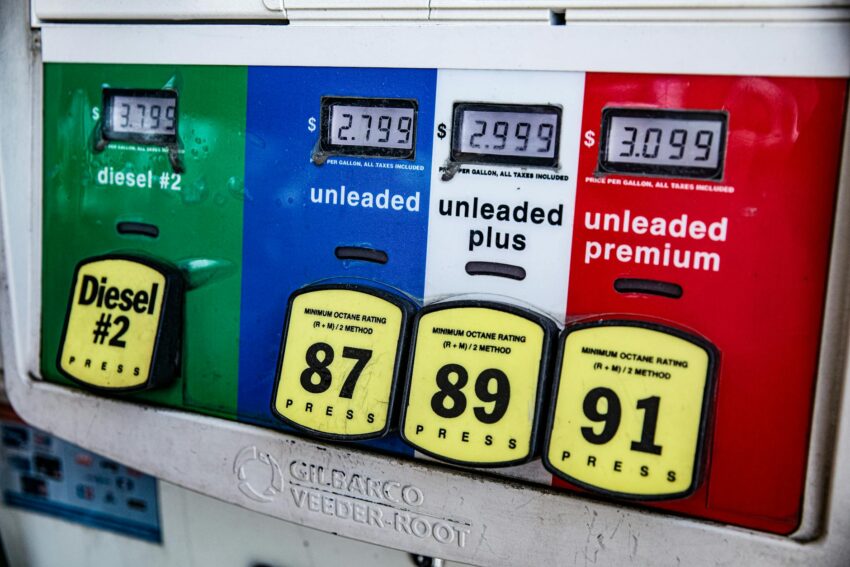
As fuel prices soar amid geopolitical strife, many businesses are grappling with the financial repercussions of increased transportation and operational costs. The reality is stark: a spike from $3 to $4 per gallon translates to an average American household incurring over an additional $1,000 annually on fuel expenses alone. Given that this amount represents around one-eighth of their discretionary spending, it's a reality that reshapes consumer habits and, consequently, the corporate landscape.

Immediate Impacts on Businesses
When fuel prices increase, businesses generally experience a two-step hit. Initially, they face heightened input costs, which lead to compressed profit margins. As time progresses, the second blow surfaces: consumers tighten their belts, curtailing their spending on non-essential items like dining, clothing, and entertainment. For industries dependent on consumer spending, this shift can be devastating.
However, not all sectors and companies are adversely affected. The war's ramifications on fuel prices are generating unexpected winners amidst the chaos.
The Corporate Winners
1. Energy Companies
As tensions escalate in oil-rich regions, traditional energy sectors experience a windfall. Companies involved in oil production and distribution report soaring profits, capitalizing on the increased demand and elevated prices for oil and gas. For instance, major oil corporations like ExxonMobil and Chevron have observed substantial boosts to their stock prices and revenue streams since the escalation of global conflicts.
2. Electric Vehicle (EV) Manufacturers
As fuel prices climb, more consumers turn toward electric vehicles for their cost-effective long-term solutions. Companies like Tesla report robust sales growth, fueled by rising consumer interest in sustainable energy options. With the rising price of fuels, the potential savings from EVs become increasingly attractive to budget-conscious consumers.
3. Public Transportation Services
As citizens adjust to the budgetary strains of rising fuel costs, many are opting for public transportation over personal vehicles. Consequently, public transport systems are observing an uptick in ridership, producing increased revenue for city transit services.
The Corporate Losers
1. Retailers and Restaurants
Retailers face the brunt of decreased consumer spending due to inflated fuel prices. Businesses that rely heavily on customer foot traffic, such as restaurants and shops, report a dip in sales as budget-conscious consumers forgo dining out in favor of staying home. On the other hand, essential items such as groceries see a smaller decline in spending, though retailers still feel the pinch from rising transport costs.
2. Logistics and Shipping Companies
The spike in fuel costs can be particularly damaging for logistics providers. Companies relying on road transport for freight experience squeezed profit margins as expenses surge. Hefty fuel surcharges affect their bottom line, prompting many to rethink their pricing strategies and delivery frameworks.
Looking Ahead: Market Signals and Adjustments
As markets begin to adjust to these long-term price surges, they're likely to indicate broader economic trends. Analysts suggest that consumer habits may not revert to pre-crisis spending patterns, creating lasting changes in retail dynamics. Companies will need to adapt to a landscape where spending priorities shift, potentially leading to changes in product offerings, pricing models, and customer engagement strategies.
Conclusion
The ongoing impacts of rising fuel prices due to global tensions paint a complex picture of corporate resilience and vulnerability. While the immediate challenges may be considerable, emerging practices showing adaptability to economic changes will be key for many businesses aiming for survival and growth in an increasingly uncertain world.
For a deeper look into how various sectors will continue to navigate this continuously evolving market, stay tuned to our upcoming analyses and updates.
Subscribe to The Economist for comprehensive insights and analyses designed to keep you informed on significant economic trends and their implications.