
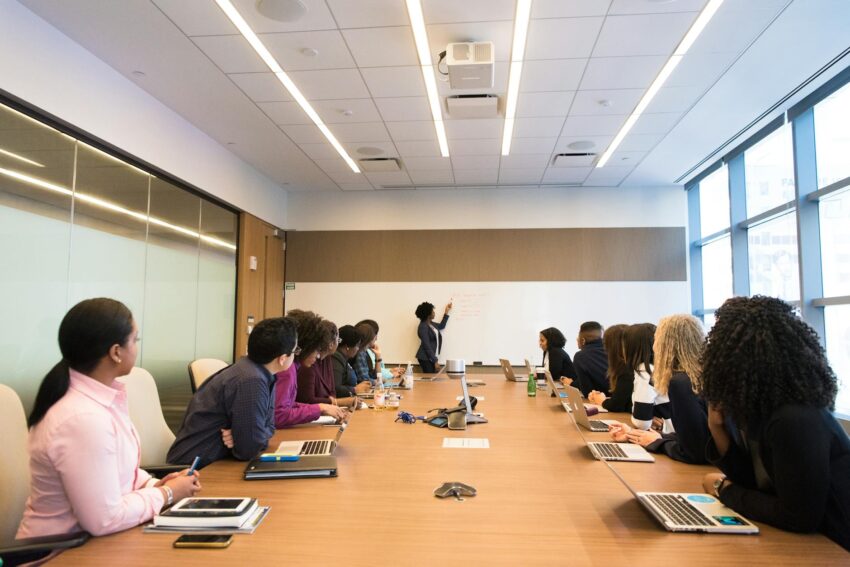
In the fast-paced world of business, where every second counts and collaboration is key, one resource remains inexplicably scarce: meeting rooms. Despite their omnipresence in corporate environments, the irony isn't lost on anyone – these spaces appear plentiful until the moment you need them. In a striking commentary on modern workplace dynamics, navigating the battle for a meeting room has become an arduous, almost theatrical endeavor.
The Quest for Space
Imagine the scene: a group of professionals eagerly seeking to gather for a brainstorming session, only to find every door marked "Meeting Room" shut tight or mysteriously occupied. The stark contrast of availability is not merely an inconvenience; it highlights deeper issues of organizational culture and resource management.
“The scarcity of meeting rooms feels paradoxical,” notes business consultant Lisa J. Thomson. “When you want one, there’s always a struggle to find an available space. But when you don’t need one, they’re as plentiful as air.”
Power Dynamics in Corporate Culture
The challenges go beyond mere logistics. The phenomenon of territorial ambition often comes into play, where certain teams or individuals stake claim to specific rooms, holding them hostage under the guise of "critical meetings." It isn’t just about having a place to sit; it’s about asserting dominance and staking a claim in an organization where visibility and access can influence career trajectories.
This behavior has led to an unspoken hierarchy where the power to commandeer a meeting room often eclipses the actual necessity of discussions. “Being in the right room can change the trajectory of a project or even a career,” explains corporate psychologist Mark D. Willows. “It’s a subtle yet significant play of influence.”
Navigating the Minefield
Organizational culture often emphasizes collaboration, yet the reality reveals an absurd scramble for limited resources. Companies are increasingly re-evaluating their office layouts and scheduling systems in an attempt to foster efficiency and accessibility. Virtual scheduling tools and shared spaces are becoming more critical than ever.
Many firms are now adopting agile practices that emphasize a hot-desking strategy, where employees reserve shared meeting spaces as needed. “We’ve found that flexibility helps reduce the squabbles over rooms and encourages a more dynamic work environment,” shares Jessica Yuan, HR manager at Innovate Now.
The Water Bottle Chronicles
Compounding the issue is the ever-evolving office etiquette surrounding meeting rooms. Unwritten rules seem to dominate, such as the infamous “you must bring a water bottle to stake your claim” principle. Employees often leave mundane items like half-empty water bottles or jackets on chairs to denote an occupied space, thus inviting a strange combination of territorial behavior and passive aggression.
This rising culture of informal claiming leads to both frustration and humor among office staff. Anecdotes abound about the extreme lengths some individuals go to in their attempts to secure a coveted meeting room—exotic plants, inflatable friends, and even strategically placed house pets have reportedly been used as placeholders.
The Digital Solution
As the demand for meeting spaces escalates, many organizations are turning to technology to alleviate this modern-day crisis. Digital booking systems allow employees to reserve rooms in advance, thus minimizing the chaos that erupts daily. Additionally, video conferencing software has changed the game, enabling remote employees to contribute without the need for physical presence.
However, the reliance on technology is not without its shortcomings. Overbooking, technical glitches, and the lack of personal interaction often hinder productivity—a paradox faced by those at the forefront of business innovation.
Conclusion: Rethinking the Space
In a landscape where office dynamics continuously evolve, the plight of the meeting room reveals itself as a metaphor for larger systemic challenges within organizations. It's not just about finding a place to meet; it prompts a critical examination of workplace hierarchies, collaboration solutions, and the true nature of corporate culture.
For businesses aiming for efficiency, a reevaluation of how meeting spaces are managed may hold the key to unlocking greater productivity and employee satisfaction. As we look into the future, the quest for the right meeting room may very well become a tale of innovation and adaptability—a true reflection of our times.
For further discussions and insights on today's business environments, subscribe to The Economist for unlimited access to in-depth analysis and trends.