
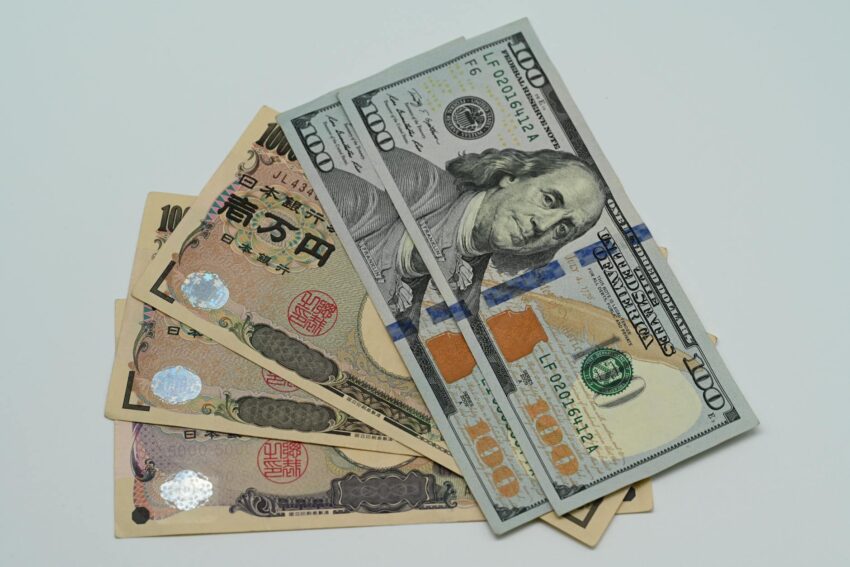
In the complex world of global finance, currency values are a crucial indicator of economic health. Recently, the weak yen against a faltering dollar has sparked discussions among economists and policymakers, who are examining the potential implications of these trends. While both Japan and the United States contemplate interventions to stabilize their currencies, experts warn that such actions may only serve as a temporary distraction from more pressing financial instability issues.
Context of Financial Changes
For decades, Japan has relied on its investors to seek higher returns abroad, while maintaining persistently low interest rates within its borders. This strategic choice has led to a staggering accumulation of foreign investments, estimated at over $10 trillion—more than double the nation’s annual GDP. However, recent shifts in global interest rates have sent ripples across financial markets, causing the Bank of Japan and U.S. Treasury officials to voice concerns over their respective currencies.
The Decline of the Yen
In January 2026, the yen plummeted to its weakest value against the dollar since 1990, prompting negotiations among government officials to intervene and stabilize the currency. U.S. Treasury Secretary Janet Yellen pointed to disruptions in Japan's bond market as a contributing factor to rising long-term Treasury yields in the United States. This connection highlights the intertwined nature of the two countries' economies in today's increasingly globalized financial landscape.
Calls for Intervention: A Misguided Approach?
Despite the intense discussions about currency intervention, analysts caution that attempting to prop up the yen—or any currency—may be counterproductive. Interventions have historically provided only fleeting relief and fail to address the underlying causes of financial fragility. As investors react to changing interest rates and market conditions, policymakers must consider broader systemic issues rather than resorting to temporary fixes.
The Illusion of Stability
Currency movements often act as barometers for broader economic stability. The weakening yen and dollar are symptoms of deeper financial vulnerabilities that require thoughtful responses rather than knee-jerk interventions. While making headlines, these currency fluctuations signal growing concerns about market confidence and economic resilience in both Japan and the United States.
Navigating Uncertain Waters
As both nations grapple with this financial juncture, understanding the implications of currency values must remain a priority for investors and policymakers alike. Rather than engaging in potentially ineffective currency intervention debates, stakeholders in these economies should shift focus toward long-term strategies that address the root causes, such as sustainable economic growth and fiscal responsibility.
In the wake of the current economic turmoil, addressing long-term issues can yield greater benefits than reactive intervention strategies. Analysts suggest that enhancing fiscal policies and investing in greater macroeconomic stability can offer a more effective approach to bolster confidence in both currencies.
Conclusion: A Call for Discernment
The current situation surrounding the weak yen and dollar illustrates the precarious balance between national economic policies and global financial dynamics. In light of rising interest rates and debt pressures, it remains essential for Japan and the U.S. to focus not only on currency levels but also on fostering environments that encourage genuine economic strength.
In summary, while the urge to intervene in currency markets is understandable, such actions may merely serve to mask the deeper vulnerabilities within global financial systems. A more profound understanding of the underlying issues will be vital in navigating the choppy waters of international economics in the coming years.
For continuous coverage and updates on economic trends, consider following insightful journalism from platforms like The Economist.