
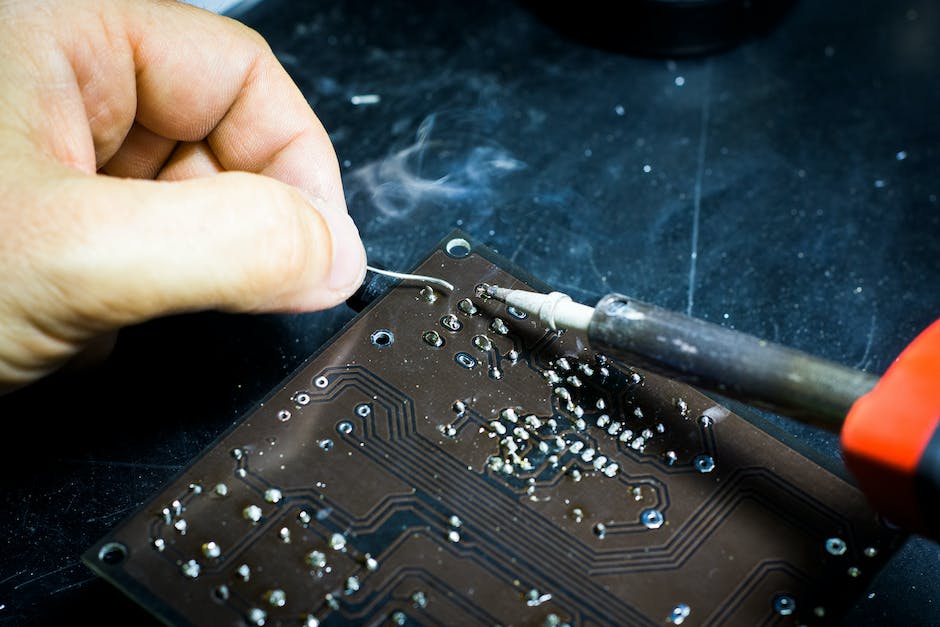
As electronic devices become more complex and more integrated into our everyday lives, Electronic Shipping Damage (ESD) and the need for ESD protection have become increasingly vital in electronic manufacturing. ESD is the transfer of electrostatic charge, which can occur naturally or artificially when objects come into contact with one another. Unfortunately, ESD can lead to significant damage to electronic components and pose significant threats to consumers if undetected or untreated.
In the manufacturing process, ESD can occur at any point from assembly to shipment and it can manifest in different ways, and the resulting damage can range from mild to catastrophic. This is why it is so crucial that electronic manufacturers prioritize ESD protection in their operations. This blog post will explore the importance of ESD protection in electronic manufacturing, the negative impacts of electrostatic discharge on electronic components, and best practices for creating an ESD-safe workplace. Additionally, we will dive into essential ESD protection measures to implement during electronic product assembly, the importance of staff training, and common misconceptions and myths about ESD protection in electronic manufacturing.
The Basics of ESD Protection: An Overview for Electronic Manufacturers
Electrostatic discharge (ESD) is the sudden flow of electricity between two electrically charged objects, typically caused by contact or an electrical short. ESD can be a significant problem in the electronic manufacturing industry, potentially causing damage or even failure of electronic components or devices. Therefore, it’s essential for electronic manufacturers to implement esd protection measures to reduce the risk of damage to their products and components.
One of the primary ways of protecting electronics against ESD is to minimize the amount of static electricity that can build up on personnel, equipment, and surfaces in the manufacturing process. This includes using specialized ESD flooring materials, clothing, and equipment that are designed to help reduce static buildup.
Another common ESD protection measure is to create an ESD-safe workstation, equipped with a grounded mat, wrist strap, and other ESD-safe tools and equipment. An ESD-safe workstation helps prevent the buildup of static electricity and ensures that workers can handle and manipulate electronics without the risk of causing ESD damage.
ESD can also be prevented by storing electronic components in ESD-safe packaging and transporting them in ESD-safe containers. This is important because even a small amount of static electricity can cause damage to sensitive electronic components.
It’s crucial to note that implementing ESD protection measures isn’t just about buying the right equipment; it’s also about educating employees on how to properly handle electronics to avoid causing ESD damage. This includes training workers on how to use ESD-safe tools and equipment, maintain an ESD-safe environment, and handle electronic components correctly.
Overall, ESD protection is an essential consideration for electronic manufacturers. By taking steps to minimize the risk of ESD, companies can ensure that their products are reliable and protected from damage, improving customer satisfaction and reducing overall costs.
The Negative Impact of Electrostatic Discharge on Electronic Components
Electrostatic discharge, or ESD, is a common occurrence in electronic manufacturing. It refers to the sudden flow of electricity between two objects with different charges. This discharge of electricity can cause serious damage to the components of electronic devices and often leads to their failure.
The impact of ESD on electronic components can be devastating. It can cause malfunctioning, decrease the lifespan of the components, and reduce the overall reliability of the device.
Electrostatic discharge can occur at any stage of the manufacturing process, from component assembly to testing, packaging, and shipping. The damage caused by ESD is often invisible to the naked eye and can go undetected until the device fails to function properly.
ESD can also occur during everyday use of electronic devices. For example, static electricity build-up on our bodies can discharge onto the device when we touch it, causing damage over time. The damage caused by ESD can be cumulative and can significantly shorten the lifespan of the device.
To mitigate the negative impact of electrostatic discharge on electronic components, it is essential to implement proper ESD protection measures throughout the manufacturing and handling process. This includes using ESD-safe packaging, grounding tools and equipment, and wearing static discharge wrist straps and gloves.
Electronics manufacturers must also educate their employees about the risks and proper prevention measures of electrostatic discharge. This could include training on how to handle electronic components, guidelines for minimizing static electricity build-up in the workplace and protocols for reporting suspected ESD damage.
In conclusion, the negative impact of ESD on electronic components is significant and can lead to a loss of revenue, reputation, and even consumer safety. Proper ESD protection measures are imperative to ensure the reliability and longevity of electronic devices, and electronics manufacturers should take the necessary steps to prevent ESD from occurring throughout the entire production and delivery process.
Best Practices for Creating an ESD-Safe Workplace in Electronic Manufacturing
Electrostatic discharge (ESD) poses a significant risk for electronic components during the manufacturing process. Implementing best practices for creating an ESD-safe workplace is crucial for protecting sensitive components, preventing damage, and saving time and money on costly mistakes. Here are some essential best practices to follow:
1. Use ESD-Safe Equipment and Materials: ESD-safe equipment such as antistatic mats, wrist straps, and grounding cords is critical for safeguarding components from electrostatic discharge. It is also essential to use ESD-safe materials for workstation surfaces and containers, including bags, boxes, and trays.
2. Establish Work Area Protocols: Define work area protocols that require employees to wear ESD safety equipment, properly handle components, and take precautions when moving and storing electronic products. Employees should also avoid wearing clothing that generates static electricity, such as wool and nylon.
3. Implement Grounding Procedures: Grounding is an essential part of creating an ESD-safe workplace. Establish grounding procedures for workstations, tools, and equipment to ensure that all conductive surfaces are effectively grounded. All wires and cords should have three-prong plugs and be attached to grounded outlets.
4. Use Proper Component Storage: Components are most vulnerable to ESD damage when they are not in use or are in storage. Use ESD-safe containers and bags for component storage, and ensure that components are stored in a cool, dry place away from static-generating materials.
5. Train Employees: Proper training is crucial for creating an ESD-safe workplace. Train employees on ESD risks, safety protocols, and how to properly use ESD equipment and materials. Have regular training sessions to ensure that protocols are followed and updated as necessary.
By implementing best practices for creating an ESD-safe workplace, electronic manufacturers can reduce the risk of damage to sensitive components, prevent costly mistakes, and ensure a smooth manufacturing process. Don’t overlook the importance of creating an ESD-safe workplace to keep your electronic products safe from electrostatic discharge.
Essential ESD Protection Measures to Implement During Electronic Product Assembly
The assembly stage of electronic manufacturing is a critical phase where electrostatic discharge (ESD) can cause irreparable damage. To prevent this, several ESD protection measures must be implemented during assembly. Firstly, all assembly tables and chairs must be grounded using conductive mats and wristbands. This will help to disperse any static buildup and prevent it from discharging onto sensitive components. All staff involved in assembly must wear antistatic clothing, including gloves, to prevent any electrostatic charge from building up on the body. During assembly, electronic components should be stored in ESD-safe containers and only removed when necessary to reduce the chances of any accidental ESD. All work surfaces and tools must be regularly cleaned to prevent any static buildup and dissipate any static charge that may have accumulated. Using ESD-safe tools, including tweezers, pliers, and screwdrivers, is essential during assembly to reduce the chances of electric shock, damage or malfunction of parts. Furthermore, ESD-safe vacuum cleaners should be used to clean work surfaces and remove any dust or debris that may cause static buildup. Lastly, it’s important to test all electronic components before assembly and after to check for electrical performance and detect any potential ESD damage. Implementing these essential ESD protection measures during electronic product assembly will ensure that products are manufactured and assembled to the highest standards of quality and safety. In conclusion, electronic product assembly requires several essential ESD protection measures to prevent damage and malfunction of delicate electronic components. Following these best practices will ensure that products are high in quality, performance and safe to use.
The Importance of Staff Training to Ensure Proper ESD Protection
When it comes to implementing ESD protection measures in electronic manufacturing, it’s not enough to simply have the right equipment and procedures in place. In order to truly protect sensitive electronic components from electrostatic discharge, it’s essential that all staff members receive proper ESD training and education.
Staff training should cover a range of topics related to ESD protection, including the basics of electrostatic discharge, how ESD can damage electronic components, and best practices for preventing ESD in the workplace. It’s important that all employees, including production workers, technicians, and supervisors, receive this training in order to ensure consistency and effectiveness in ESD protection measures.
Training sessions should also cover proper use and maintenance of ESD protection equipment, such as grounding straps, conductive mats, and wristbands. All employees should be trained on how to properly wear and use these items to prevent accidental discharge.
In addition to initial training, regular follow-up training and refreshers are important to ensure that staff members remain aware of the ongoing importance of ESD protection in their work. This can be especially important as new employees are hired or as procedures evolve over time.
In the end, investing in staff training for ESD protection is essential not only for protecting sensitive electronic components but also for preventing costly damage, delays, and even safety hazards in the workplace.
Conclusion
Effective ESD protection is essential in electronic manufacturing to ensure the quality and reliability of electronic products. The negative impact of electrostatic discharge on electronic components can lead to significant financial losses, damage to reputation, and safety hazards. Best practices for creating an ESD-safe workplace in electronic manufacturing include implementing proper grounding, identifying and controlling ESD hazards, and using appropriate personal protective equipment.
Essential ESD protection measures during product assembly include using ESD-safe workstations, handling equipment, and packaging materials, as well as properly training staff on safe handling practices. Misconceptions and myths around ESD protection in electronic manufacturing can lead to inadequate protection against ESD hazards, which is why it is important to educate staff and regularly evaluate ESD protection protocols.
By implementing effective ESD protection measures and providing the necessary training and education, electronic manufacturers can minimize the risk of ESD-related failures, improve product quality, and ensure end-user safety. ESD protection should not be overlooked, and with the right planning and implementation, it can be a simple and cost-effective way to protect electronic products and improve the overall success of the manufacturing process.